NNMT Inhibitors
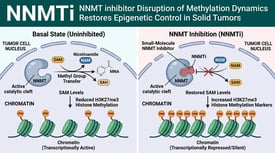
Nicotinamide N-Methyltransferase (NNMT) is a cytosolic enzyme that plays a critical role in cellular metabolism by catalyzing the N-methylation of nicotinamide (NAM), a form of vitamin B3, and other pyridine derivatives. This reaction utilizes S-adenosylmethionine (SAM) as the methyl donor, producing 1-methylnicotinamide (1-MNA) and S-adenosylhomocysteine (SAH). NNMT is a key regulator of the cellular NAD+ salvage pathway. By consuming nicotinamide, NNMT reduces the availability of a crucial precursor for NAD+ synthesis. This impacts NAD+-dependent processes, including sirtuin activity, which are involved in gene silencing, DNA repair, and metabolic regulation. Furthermore, NNMT's consumption of SAM directly influences the cellular SAM:SAH ratio, a critical determinant of global methylation potential, thereby linking NNMT activity to epigenetic modifications and gene expression. Its activity is often elevated in various pathological states, suggesting a role in metabolic reprogramming and disease progression. Dysregulation and overexpression of NNMT are strongly implicated in several significant diseases.
In cancer, NNMT is frequently found to be overexpressed in a wide range of human malignancies, including kidney, thyroid, liver, lung, prostate, and bladder cancers. Its overexpression is often associated with increased cell proliferation, migration, invasion, and resistance to therapy. NNMT promotes cancer progression by altering NAD+ metabolism (reducing NAD+ levels), influencing epigenetic modifications through SAM depletion, and supporting a pro-tumorigenic metabolic state that favors growth and survival. Beyond oncology, NNMT has been implicated in metabolic diseases such as obesity, type 2 diabetes, and non-alcoholic fatty liver disease (NAFLD). Inhibition of NNMT has shown promise in preclinical models by improving metabolic parameters, increasing energy expenditure, and reducing adiposity. Furthermore, NNMT inhibition has demonstrated therapeutic potential in models of fibrotic diseases, including kidney and liver fibrosis. Research into NNMT inhibitors is currently in the preclinical stage, with no approved drugs or agents in clinical trials specifically targeting NNMT. However, NNMT is recognized as a promising therapeutic target for both cancer and metabolic diseases.
Several small molecule inhibitors have been identified and characterized, serving primarily as research tools to validate NNMT as a therapeutic target in various *in vitro* and *in vivo* models. Examples include nicotinamide analogues, such as 1-MNA analogues, and other diverse chemical scaffolds designed to compete with nicotinamide or SAM for binding to the enzyme's active site. These compounds have shown the ability to suppress tumor growth, reduce adiposity, and ameliorate fibrotic phenotypes in preclinical studies. The focus of current research is on developing highly potent, selective, and bioavailable inhibitors with favorable pharmacokinetic profiles to advance towards clinical development. NNMT inhibitors can be classified based on their mechanism of action: nicotinamide-competitive inhibitors (mimicking nicotinamide), SAM-competitive inhibitors (mimicking S-adenosylmethionine), or allosteric inhibitors. Most identified compounds are small molecules. Key challenges in their development include achieving selectivity for NNMT over other methyltransferases to minimize off-target effects, and managing potential systemic side effects due to NNMT's role in normal metabolism and methylation processes. Identifying reliable biomarkers to predict which patient populations will respond best to NNMT inhibition is also crucial.
Combination therapy is a significant strategy, where NNMT inhibitors could be combined with chemotherapy, NAD+-boosting agents, or sirtuin activators to enhance anti-tumor or metabolic effects. The central role of NNMT in metabolic reprogramming, influencing NAD+ homeostasis and cellular methylation potential, makes it a compelling target for novel therapeutic interventions in a range of diseases, from cancer to metabolic and fibrotic disorders.