Acetyl-CoA carboxylase Inhibitors
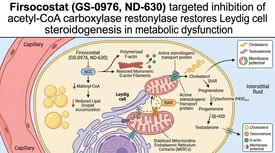
Acetyl-CoA carboxylase (ACC) is a critical biotin-dependent enzyme that catalyzes the irreversible carboxylation of acetyl-CoA to produce malonyl-CoA. This reaction is the rate-limiting step in the biosynthesis of long-chain fatty acids. In humans, ACC exists as two distinct isoforms: ACC1 and ACC2. ACC1 is primarily localized in the cytoplasm of lipogenic tissues like the liver and adipose tissue, where the malonyl-CoA it produces serves as the primary substrate for fatty acid synthase. In contrast, ACC2 is associated with the outer mitochondrial membrane, particularly in oxidative tissues like skeletal muscle and heart. The malonyl-CoA produced by ACC2 acts as a potent allosteric inhibitor of carnitine palmitoyltransferase 1 (CPT1), the enzyme responsible for transporting long-chain fatty acids into the mitochondria for beta-oxidation. Therefore, inhibiting ACC provides a dual therapeutic benefit: it simultaneously reduces de novo lipogenesis (DNL) and stimulates fatty acid oxidation.
This makes ACC inhibitors highly attractive for treating metabolic syndrome, obesity, type 2 diabetes, and particularly non-alcoholic steatohepatitis (NASH). The landscape of ACC inhibitor research has evolved from non-selective small molecules to more sophisticated, tissue-targeted agents. One of the most prominent candidates is Firsocostat, an orally bioavailable, liver-targeted small molecule that inhibits both ACC1 and ACC2. In clinical trials for NASH, Firsocostat has demonstrated the ability to significantly reduce hepatic fat content and markers of liver fibrosis. Another notable inhibitor is PF-05221304, which has also shown efficacy in reducing DNL. Despite their therapeutic promise, ACC inhibitors face a significant clinical challenge: the development of hypertriglyceridemia. This side effect occurs because the reduction in malonyl-CoA levels leads to a compensatory increase in the expression of sterol regulatory element-binding protein 1c (SREBP-1c), which upregulates the production of very-low-density lipoproteins.
To manage this, researchers are exploring combination therapies, such as pairing ACC inhibitors with DGAT2 inhibitors or fish oil supplements to mitigate the rise in serum triglycerides. Beyond metabolic diseases, ACC inhibitors are being investigated in oncology, as many cancer cells rely on upregulated DNL for membrane synthesis and signaling lipids. Inhibitors like ND-646 have shown preclinical efficacy in non-small cell lung cancer models. ACC inhibitors are generally classified into isoform-selective and dual inhibitors, as well as by their chemical structure, such as spirocyclic or aryloxyphenoxypropionate derivatives. Key research tools like TOFA and soraphen A have been instrumental in elucidating the role of ACC in cellular metabolism. The structural biology of ACC, particularly the interaction between the biotin carboxylase and carboxyltransferase domains, has been elucidated through high-resolution imaging, providing a blueprint for the design of next-generation allosteric inhibitors that can stabilize the enzyme in its inactive, dimerized state. As clinical trials progress, the focus remains on balancing the potent anti-steatotic effects of these drugs with the management of their lipid-related side effects.