PAR Inhibitors
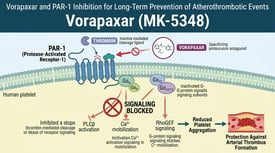
Protease-activated receptors (PARs) represent a unique subfamily of G protein-coupled receptors (GPCRs) that are activated through a distinct proteolytic mechanism rather than traditional ligand binding. There are four known members of this family, designated PAR1 through PAR4. The activation process involves the cleavage of the receptor's extracellular N-terminus by specific serine proteases, such as thrombin, trypsin, or mast cell tryptase. This cleavage unmasks a cryptic tethered ligand sequence that subsequently binds to the receptor's own extracellular loop 2, triggering downstream signaling cascades. PAR1 and PAR4 are primarily activated by thrombin and play critical roles in platelet aggregation and vascular biology. PAR2 is typically activated by trypsin or tryptase and is heavily involved in inflammatory responses and pain signaling. The signaling pathways initiated by PAR activation are diverse, involving Gq, Gi, and G12/13 proteins, which lead to intracellular calcium mobilization, inhibition of adenylyl cyclase, and activation of Rho-GTPases, respectively.
These pathways collectively regulate cellular processes such as shape change, secretion, and proliferation. In terms of clinical relevance, PARs are associated with a wide array of diseases. PAR1 is a major target in cardiovascular medicine due to its role in arterial thrombosis. Overactivation of PAR1 and PAR2 has also been implicated in various cancers, including breast, colon, and prostate malignancies, where they promote tumor cell invasion, metastasis, and angiogenesis. Furthermore, PAR2 is a significant mediator in chronic inflammatory conditions like asthma, rheumatoid arthritis, and inflammatory bowel disease. The development of PAR inhibitors has therefore become a high priority in pharmacology. Vorapaxar, a first-in-class PAR1 antagonist, was approved for the reduction of thrombotic cardiovascular events in patients with a history of myocardial infarction or peripheral arterial disease.
However, its use is limited by a significant risk of intracranial hemorrhage, highlighting the narrow therapeutic window for systemic PAR1 inhibition. Current research is focused on developing more selective and safer inhibitors. These are generally classified into orthosteric antagonists, which block the tethered ligand binding site, and allosteric modulators, often referred to as parmodulins. Parmodulins are particularly interesting as they target the intracellular surface of the receptor, allowing for biased signaling that may decouple the antithrombotic effects from bleeding risks. Another innovative approach involves the use of pepducins—cell-penetrating peptides that target the receptor-G protein interface. Preclinical studies are currently exploring PAR2 antagonists for the treatment of chronic pain and fibrotic diseases, though none have yet reached widespread clinical approval. One of the primary challenges in this field is the high degree of homology between PAR subtypes and the complex interplay between different proteases in the microenvironment.
Future strategies may involve combination therapies or the development of dual PAR1/4 inhibitors to achieve more robust antiplatelet effects with improved safety profiles. Additionally, understanding the role of PARs in the tumor microenvironment continues to be a fertile ground for oncology research, potentially leading to new adjuvant therapies that limit metastatic spread.