ASK Inhibitors
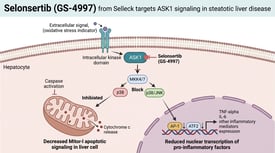
Apoptosis Signal-regulating Kinase 1 (ASK1), also known as MAP3K5, is a member of the mitogen-activated protein kinase kinase kinase (MAP3K) family that plays a central role in the cellular response to various stressors. ASK1 is activated by a range of stimuli, including oxidative stress, endoplasmic reticulum (ER) stress, lipotoxicity, and pro-inflammatory cytokines like TNF-α. Under basal conditions, ASK1 is kept in an inactive state through its association with thioredoxin (Trx). However, upon the accumulation of ROS, Trx becomes oxidized and dissociates from ASK1, allowing the kinase to dimerize, autophosphorylate, and activate. Once active, ASK1 triggers a downstream signaling cascade by phosphorylating and activating MKK3/6 and MKK4/7, which in turn activate the p38 and c-Jun N-terminal kinase (JNK) pathways, respectively. These pathways mediate a variety of cellular outcomes, including apoptosis, inflammation, and fibrosis.
Given its role as a master regulator of stress-induced signaling, ASK1 has been implicated in the pathogenesis of numerous chronic diseases. These include metabolic disorders like non-alcoholic steatohepatitis (NASH), where oxidative stress and lipotoxicity drive liver inflammation and fibrosis; chronic kidney disease (CKD), particularly diabetic nephropathy; and neurodegenerative diseases such as Alzheimer's and Parkinson's. Consequently, ASK1 inhibitors have been developed as a therapeutic strategy to mitigate tissue damage and disease progression. These inhibitors are primarily small molecules that target the ATP-binding pocket of the ASK1 kinase domain. The most clinically advanced inhibitor is selonsertib (GS-4997), a potent and selective oral ASK1 inhibitor. Current research progress for ASK1 inhibitors has been a mix of promise and challenges.
Selonsertib showed encouraging results in early-phase trials for NASH and diabetic kidney disease, demonstrating improvements in fibrosis markers and renal function. However, larger Phase III trials (such as the STELLAR trials in NASH) failed to meet their primary endpoints of significant fibrosis improvement without worsening of the disease. These setbacks have led to a re-evaluation of the therapeutic window and the potential need for combination therapies. For instance, combining ASK1 inhibitors with other agents targeting metabolic or inflammatory pathways (e.g., FXR agonists or ACC inhibitors) is currently being explored to achieve better clinical outcomes. Other ASK1 inhibitors are also in various stages of preclinical and clinical development, with a focus on improving selectivity and potency. Common classifications of these inhibitors are based on their chemical scaffolds and their selectivity over other MAP3Ks.
Despite the clinical challenges, the fundamental role of ASK1 in stress-induced tissue injury ensures that it remains a significant target of interest in the pharmaceutical industry, with ongoing research aimed at identifying the specific patient populations and disease stages most likely to benefit from its inhibition.